Phone: +971 50 162 0135
Email: ghalib@ghalibconsulting.com
 Byadmin
Imagine two ships leaving port. The first, a speedboat, rockets forward, its wake a frothing testament to raw power. The second, a deep-hulled vessel, moves with deliberate pace, its course set for a distant horizon. A storm gathers. Which ship is more likely to reach its destination?
In the world of business, especially in the high-stakes, fast-moving economies of the UAE and Saudi Arabia, we are often seduced by the speedboat. We chase hockey-stick graphs, burn through venture capital, and celebrate vanity metrics. But this “growth at all costs” model has a fatal flaw: it’s not built to last.
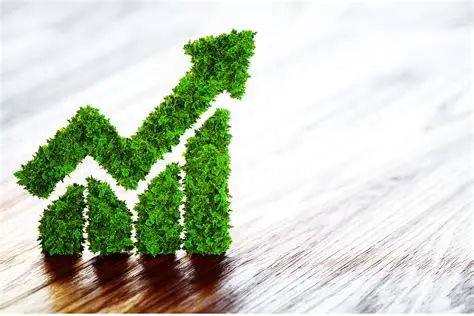
The only strategy with a proven record of navigating economic storms and reaching true, long-term success is sustainable growth. It’s not the sexiest term, but it is the most powerful. It’s the difference between a flash in the pan and a legacy.
The rise and fall of companies like WeWork is a modern cautionary tale. Valued at a staggering $47 billion at its peak, its implosion was a masterclass in how prioritizing hype over fundamentals leads to disaster. This “blitzscaling” approach—prioritizing speed over efficiency in the face of uncertainty—often creates a house of cards.
The pitfalls are predictable:
As Harvard Business Review notes, this model confuses “scale” with “stability.” You can be big and incredibly fragile.
So, what exactly is sustainable growth? Crucially, it is not about growing slowly. It’s about growing smart. It’s a disciplined, holistic approach where growth is:
It’s about building a engine that can run efficiently for years, not a firework that burns brightly for a moment.
Choosing a sustainable path isn’t about sacrifice; it’s about superior strategy. The data and real-world outcomes speak for themselves:
| Aspect | “Growth at All Costs” | Sustainable Growth |
|---|---|---|
| Profitability | Often delayed or never achieved | Core to the model; healthy margins |
| Customer Loyalty | Shallow, often price-based | Deep, built on trust and value |
| Employee Retention | High turnover, “burn and churn” | High retention, invested team |
| Resilience | Fragile, vulnerable to market shifts | Robust, can weather economic storms |
| Company Valuation | Based on hype and potential | Based on solid fundamentals and cash flow |
1. Unshakable Financial Resilience: A sustainably grown business has strong unit economics and positive cash flow. This means when a project like Saudi Vision 2030 shifts economic priorities or a global pandemic disrupts supply chains, your business doesn’t just survive—it adapts and finds opportunity where others see crisis.
2. Deeper Customer Relationships: When growth is fueled by genuine value and customer satisfaction, you build a loyal army of advocates. In the connected markets of the Gulf, where reputation is everything, this word-of-mouth marketing is more valuable than any ad spend.
3. A Magnetic Company Culture: Sustainable companies invest in their people. They become talent magnets, reducing the immense cost of turnover and fostering an environment of innovation. As a PwC report on Middle Eastern workforce trends highlights, purpose-driven companies significantly outperform their peers in attracting top talent.
Having guided numerous businesses in the UAE and Saudi Arabia, we see unique opportunities for sustainable growth in this region.
The national visions of both nations—UAE Vision 2030 and Saudi Vision 2030—are not just government policies; they are blueprints for long-term, sustainable economic transformation. They are actively diversifying away from oil, investing in technology, tourism, and renewable energy.
This creates a fertile ground for businesses that align with these goals. A construction company adopting green building practices, a tech startup focusing on fintech solutions for the unbanked, a consultancy building local talent—these are all examples of businesses riding the wave of sustainable national growth.
The key is to build a financial model that supports this vision. This is where robust financial planning and analysis (FP&A) becomes your most critical tool. It’s not just about budgeting; it’s about creating dynamic models that allow you to:
Making the shift is a deliberate process. Start by asking these strategic questions:
The future belongs to the builders, not the burners. To the companies that value patience over hype, resilience over speed, and impact over illusion. Sustainable growth is the only strategy that builds legacies, creates real value, and ensures your business is not just a participant in the economies of the Middle East, but a pillar of them.
It’s about building the deep-hulled ship, ready for any storm, steadfast on its course to a meaningful destination.
Is your business built for the long term? At Ghalib Consulting, we help businesses in the UAE and KSA build data-driven, resilient financial strategies for sustainable growth. Reach out for a free consultation today, and let’s build a future that lasts.