The Strategic CFO: Moving Beyond Compliance to Become a Growth Partner
Introduction: The CFO in the Crossroads
Picture a typical CFO’s office in Riyadh or Dubai a decade ago. The shelves were lined with binders of regulations—VAT guidelines, corporate governance codes, International Financial Reporting Standards (IFRS). The primary mission was clear: ensure accuracy, ensure compliance, and avoid risk. The finance chief was the guardian of the past, the reporter of history.
But walk into a forward-thinking company in the Dubai International Financial Centre (DIFC) or a fast-scaling Riyadh tech startup today, and the scene is strikingly different. The CFO is at the strategy table, debating market entry models, analyzing customer lifetime value data, and modeling scenarios for Saudi Arabia’s Vision 2030 megaprojects. The question is no longer just “Are our numbers right?” but “Where is our next growth coming from?”
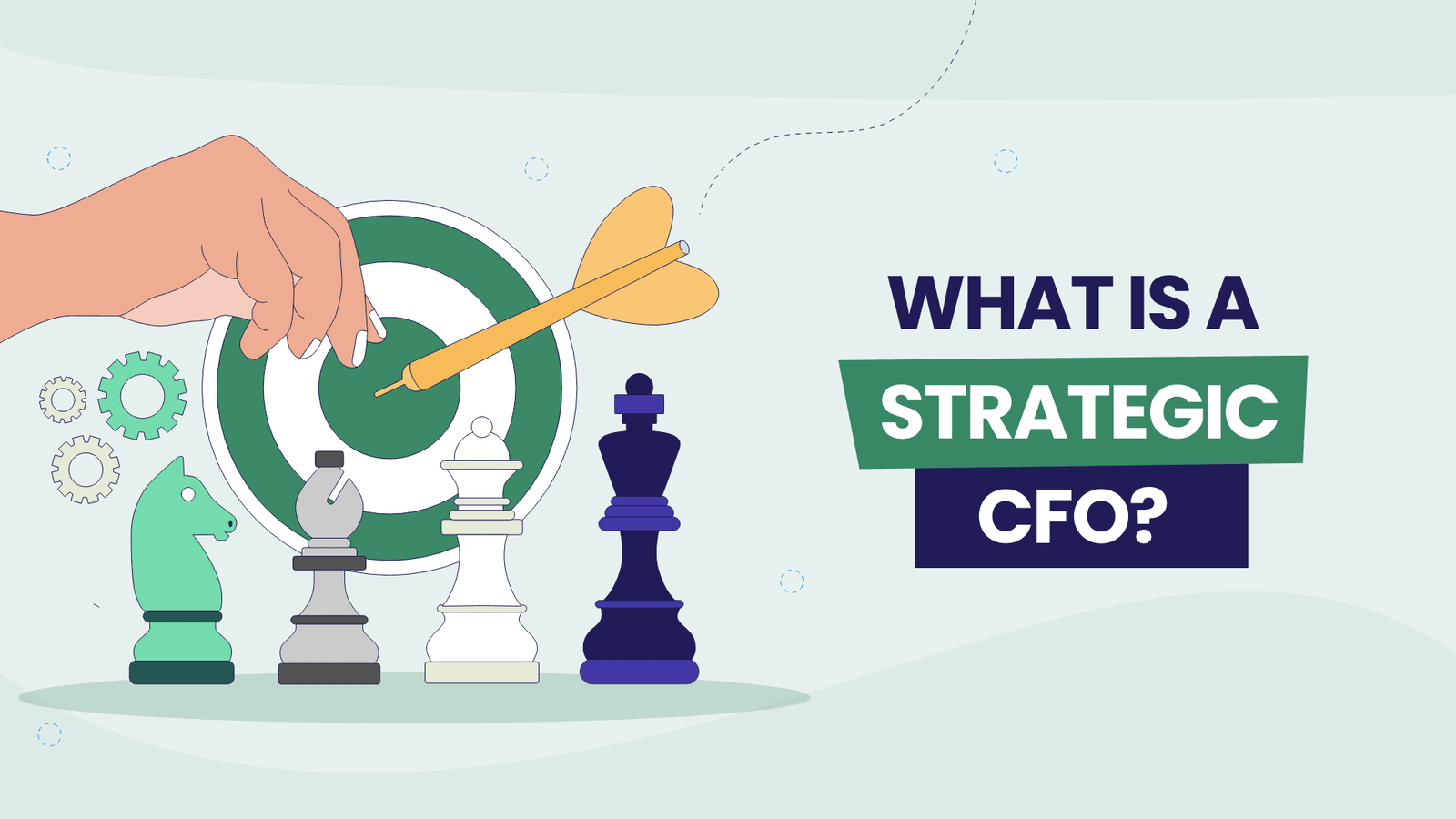
This is the defining shift for modern finance leaders: Moving Beyond Compliance to claim their seat as a true strategic growth partner. For CFOs in the dynamic economies of the Gulf Cooperation Council (GCC), this evolution isn’t just an option—it’s an imperative for survival and success.
The Old World: The CFO as Chief Compliance Officer
Traditionally, the CFO’s role was built on a foundation of control and stewardship. Key responsibilities included:
Regulatory & Tax Compliance: Navigating complex landscapes like UAE Corporate Tax and KSA Zakat regulations.
Cost Control & Budgeting: Often acting as the primary barrier to spending.
Risk Mitigation: Primarily focused on financial and compliance risks.
This role was vital, but inherently backward-looking. Its value was measured in audits passed and penalties avoided, not in revenue generated or new markets captured.
The Catalysts for Change: Why the Shift is Happening Now
Several powerful forces are converging to make this strategic shift urgent, especially in the Middle East:
Unprecedented Economic Transformation: Initiatives like Saudi Vision 2030 and the UAE’s Centennial 2071 Plan are fundamentally reshaping economies. CFOs must now evaluate investments in entirely new sectors—from renewable energy to digital entertainment—requiring new financial models and risk assessments.
Technological Disruption: Cloud ERP, AI-powered analytics, and automation have liberated finance teams from manual tasks. A McKinsey report notes that up to 40% of traditional accounting activities can now be automated, freeing up capacity for strategic work.
Investor & Stakeholder Demands: Investors are no longer satisfied with quarterly earnings. They demand insights into Environmental, Social, and Governance (ESG) metrics, long-term value creation, and digital readiness—all domains where the CFO must lead.
The Pace of Change: In a post-pandemic world, supply chains, consumer behavior, and competitor moves can shift overnight. Businesses need a finance function that can model scenarios in real-time, not just report on last quarter’s results.
The New Blueprint: The 4 Pillars of the Strategic CFO
Moving Beyond Compliance requires a fundamental rewiring of the CFO’s mindset and toolkit. Here are the four core pillars of this transformation:
Pillar 1: From Historian to Futurist (Strategic Foresight)
The strategic CFO leverages data not to explain the past, but to predict and shape the future.
Action: Implement rolling forecasts and driver-based planning instead of rigid annual budgets. Use scenario modeling to stress-test the business against potential market shocks or new opportunities in the GCC.
Example: A manufacturing CFO in the UAE uses real-time commodity price data and logistics cost models to advise on optimal inventory levels and pricing strategies months in advance.
Pillar 2: From Cost Controller to Value Architect (Commercial Partnership)
This means shifting focus from minimizing expenses to maximizing returns on investment across the organization.
Action: Embed finance business partners within operational units (sales, marketing, R&D). Jointly analyze customer profitability, marketing ROI, and the true cost of new product development.
Toolkit: Customer Profitability Analysis (CPA), Integrated Business Planning (IBP).
Example: A CFO at a KSA retail group works with the marketing team to analyze customer data, reallocating spend from low-return channels to high-growth customer segments, directly boosting margins.
Pillar 3: From Gatekeeper to Enabler (Operational Catalyst)
Instead of being the “Department of No,” the strategic CFO becomes an enabler of smart, calculated growth.
Action: Develop flexible funding frameworks for innovation. Simplify procurement and investment approval processes for strategic initiatives. Champion digital transformation investments that yield long-term efficiency.
Toolkit: Agile funding models, ROI frameworks for tech investment, process automation.
Example: By championing an investment in an automated accounts payable system, the CFO frees up the team’s time for business analysis, while also improving vendor relationships and capturing early-payment discounts.
Pillar 4: From Siloed Executive to Integrated Leader (Cross-Functional Connector)
The CFO’s unique cross-enterprise view of data and performance makes them the ideal connector.
Action: Proactively translate operational data (from supply chain, HR, IT) into financial outcomes. Lead ESG reporting and integrate sustainability metrics into capital allocation decisions.
Toolkit: Integrated reporting dashboards (e.g., using Power BI), ESG frameworks, strong communication skills.
Example: The CFO connects supply chain data on shipping delays with sales data to model the financial impact on revenue, prompting a strategic review of logistics partners.
The GCC Advantage: A Unique Springboard for Strategic CFOs
The Middle East context offers unique advantages for CFOs ready to make this leap:
Factor
Opportunity for the Strategic CFO
Visionary Government Agendas
Align corporate strategy with national goals (e.g., local manufacturing, tech adoption) to access incentives and first-mover advantage.
Digital-First Mindset
Lead finance transformation in regions with high tech adoption rates and less legacy system drag.
Evolving Regulatory Landscape
Proactively shape policy dialogue and turn new regulations (like ESG reporting) into a competitive edge.
Dynamic Capital Markets
Navigate IPOs, SPACs, and sovereign wealth fund investments to fuel strategic growth.
The Journey: How to Begin Moving Beyond Compliance
This transformation won’t happen overnight. It’s a deliberate journey. Here’s a practical roadmap:
Audit Your Time: For one month, track how you and your team spend time. What percentage is dedicated to control vs. analysis vs. strategy? Aim to shift at least 20% of capacity from transactional work to strategic partnership within a year.
Upskill Your Team (and Yourself): Invest in training for business acumen, data storytelling, and technology literacy. The Association of Chartered Certified Accountants (ACCA) highlights these as critical future skills.
Choose One Pilot Project: Partner with one business unit head on a specific growth initiative. Use data to provide unique insights. A single success story will build credibility and momentum.
Redefine Your Metrics: Change how your finance function is measured. Introduce KPIs like “speed of decision support,” “business partner satisfaction scores,” or “value of insights generated.”
Conclusion: The Call for Courageous Leadership
The message is clear: the era of the CFO as a reactive compliance officer is over. In the ambitious, fast-moving economies of the UAE, Saudi Arabia, and beyond, the business demands a proactive architect of growth.
Moving Beyond Compliance is not about abandoning the core tenets of financial integrity—they are the non-negotiable foundation. It is about building upon that foundation a new structure: one of insight, partnership, and strategic value creation. It requires courage to step out of the familiar comfort of spreadsheets and into the collaborative, sometimes ambiguous, realm of strategy.
The most successful companies of the next decade will be those led by CEOs and CFOs in true partnership, where financial rigor is seamlessly fused with strategic vision. The question for today’s finance leader is not if they will make this transition, but how fast they can lead their team through it.
Ready to Redefine Your Finance Leadership?
At Ghalib Consulting, we partner with forward-thinking CFOs and finance teams across the GCC to make this critical transition. We don’t just handle your compliance; we help you build the strategic FP&A capabilities, data-driven culture, and business partnership models that turn your finance function into a growth engine.
 Byadmin