Phone: +966-50-7024644 | Email: info@ghalibconsulting.com
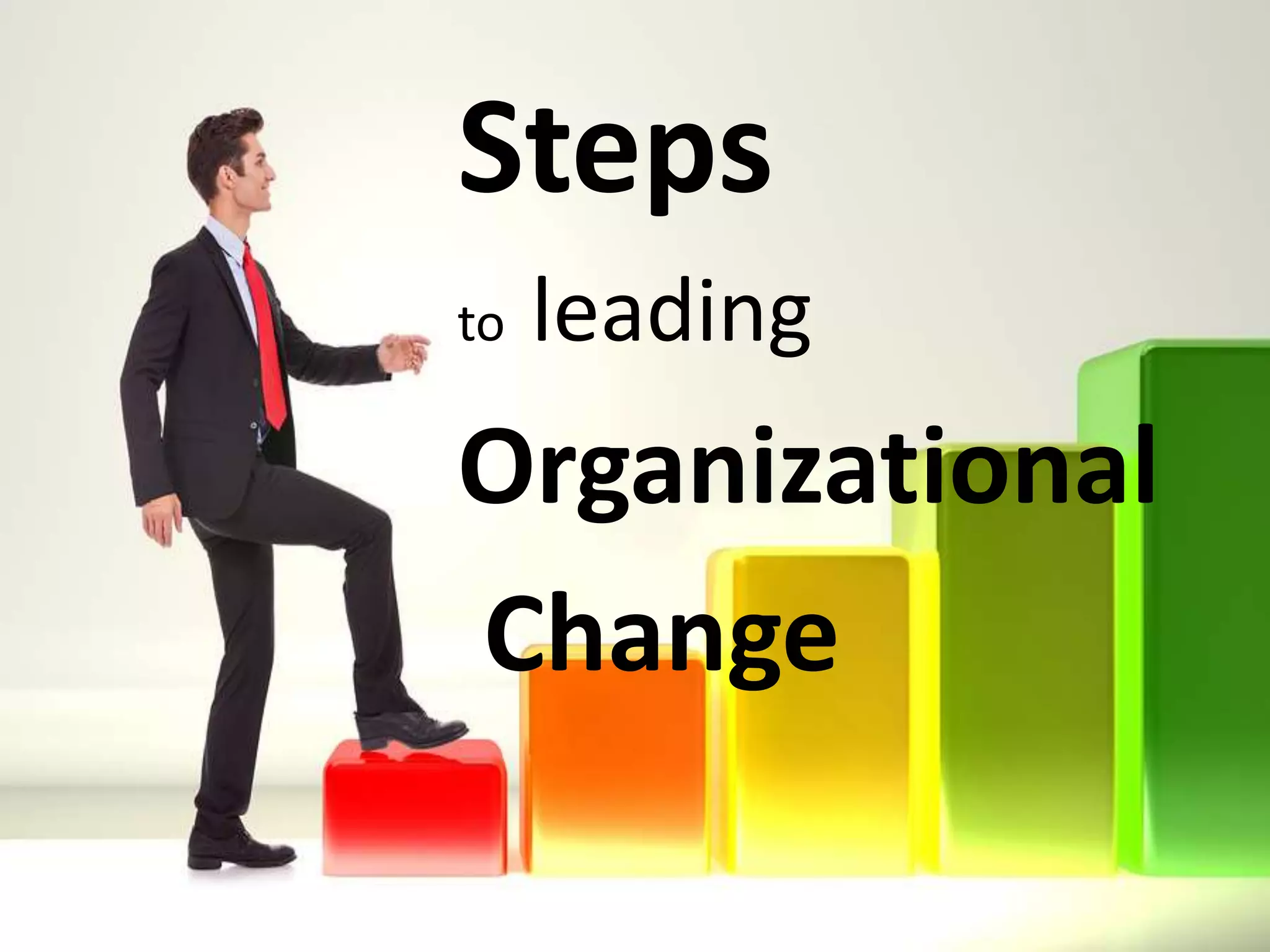

Table of Contents
The 8-Step Model for Leading Successful Organizational Change: A Middle East Perspective
You can feel it in the air. A new corporate strategy is announced. A major software implementation is on the horizon. A merger is underway. There’s a buzz of excitement, but beneath it, a palpable undercurrent of anxiety. Will this work? What does this mean for me?
This is the moment of truth for any leader. In the fast-evolving economies of the Gulf, where Vision 2030 and Dubai Economic Agenda D33 are reshaping entire industries, the ability to navigate successful organizational change is no longer a luxury—it’s a core competency for survival and growth.
But why do so many transformation initiatives fail? Studies, including those from Harvard Business Review, consistently show that the failure rate for change projects hovers around 70%. The culprit is rarely the strategy itself, but the human element—the inability to manage the people side of change.
After guiding numerous companies in Saudi Arabia and the UAE through complex transitions, we’ve found that one framework provides a powerful, battle-tested roadmap: John Kotter’s 8-Step Process for Leading Change. Let’s break down this model, infused with our on-the-ground experience in the Middle East.
Why Most Change Initiatives Fail: The Complacency Trap
Before we dive into the solution, it’s crucial to understand the problem. The biggest barrier to successful organizational change is often complacency. In established markets, the “if it isn’t broke, don’t fix it” mentality can prevail. In the Gulf, the rapid pace of national transformation means complacency is a direct threat to relevance.
Companies that rest on their laurels while the market evolves around them—be it through new Emiratisation/Saudisation policies, digital tax laws, or shifting consumer expectations—find themselves playing a desperate game of catch-up.
The 8-Step Model: Your Blueprint for Transformation
Developed by Harvard Business School Professor John Kotter, this model provides a sequential, holistic approach to managing change. It’s not a checklist but a dynamic process.
Step 1: Create a Sense of Urgency
This is about lighting a fire, not under people, but for the change.
- The Goal: Rally everyone around a compelling reason to act now.
- The Middle East Pitfall: Presenting change as a corporate mandate from headquarters without local context.
- How to Do It Here: Frame the urgency in local terms. Use data on market shifts, competitor moves, or new regulatory deadlines from the Saudi Arabian General Authority for Zakat and Tax or the UAE Federal Tax Authority. Share candid stories from customers. The message must be: “Our future success in this region depends on this.”
Step 2: Build a Guiding Coalition
Change can’t be led by one person. It requires a powerful, influential group.
- The Goal: Assemble a team with enough power and credibility to lead the effort.
- The Middle East Pitfall: Appointing a coalition based solely on seniority, without change-making skills or influence.
- How to Do It Here: Include a mix of senior leaders, respected mid-level managers, and influential subject matter experts from across the business. In the relationship-driven cultures of the KSA and UAE, having a well-connected, trusted individual on your coalition is invaluable for building grassroots support.
Step 3: Form a Strategic Vision & Initiatives
A confused mind says “no.” You need a crystal-clear vision.
- The Goal: Create a vision to direct the change effort and develop strategic initiatives to achieve it.
- The Middle East Pitfall: Vague, corporate-speak visions like “become the industry leader” that don’t resonate.
- How to Do It Here: Craft a simple, memorable vision statement. “To become the most digitally fluent construction firm in Riyadh, delivering projects 20% faster by 2025.” This is tangible and inspiring.
Step 4: Enlist a Volunteer Army
Communication is not about spraying information; it’s about creating connection.
- The Goal: Communicate the vision and strategy to create buy-in and attract a broad base of support.
- The Middle East Pitfall: Relying on a few emails and town halls, which are easy to ignore.
- How to Do It Here: Communicate through stories and metaphors that resonate with the local culture. Leaders must repeat the vision tirelessly, in different forums, and “walk the talk.” Use multiple channels—from formal meetings to informal majlis-style gatherings.
Step 5: Enable Action by Removing Barriers
Empower your people by dismantling the obstacles in their path.
- The Goal: Remove barriers to change, whether they are in systems, structures, or skills.
- The Middle East Pitfall: Ignoring rigid hierarchies or legacy IT systems that stifle initiative.
- How to Do It Here: Actively seek out and eliminate frustrating processes. Provide targeted training (e.g., upskilling for new digital tools). Empower frontline employees to make decisions relevant to the change. This builds tremendous goodwill and momentum.
Step 6: Generate Short-Term Wins
Nothing motivates like success.
- The Goal: Create visible, unambiguous successes in the near term.
- The Middle East Pitfall: Waiting 18 months to show results, by which time skepticism has set in.
- How to Do It Here: Identify low-hanging fruit and publicly celebrate achieving these milestones. Did a new process in the Jeddah office improve customer satisfaction scores? Celebrate it! Reward the team involved. This proves the effort is working and drains power from the cynics.
Step 7: Sustain Acceleration
The most dangerous moment is after the first win. Complacency creeps back in.
- The Goal: Use credibility from short-term wins to tackle bigger, more systemic changes.
- The Middle East Pitfall: Declaring victory too early and moving on.
- How to Do It Here: After a win, the guiding coalition’s message should be, “That was great, but we have an even bigger challenge ahead.” Analyze what went right, and apply those lessons to more complex problems. Keep the urgency high.
Step 8: Institute Change
Finally, weave the change into the very fabric of the organization.
- The Goal: Anchor the changes in the corporate culture to make them stick.
- The Middle East Pitfall: Failing to connect the change to promotion, hiring, and performance management systems.
- How to Do It Here: To make successful organizational change permanent, you must hardwire it. Hire and promote people who embody the new ways of working. Include change-related goals in performance reviews. Share stories of the change’s success that become part of the company’s identity.
A Tale of Two Transformations
| Initiative | Applied the 8-Step Model | Ignored the 8-Step Model | ||
|---|---|---|---|---|
| A KSA Retailer’s Digital Shift | Built a coalition including store managers, created a clear vision, celebrated the success of a pilot store in Riyadh. | Result: 40% increase in online sales within 6 months. | A top-down mandate with no store-level input or training. | Result: High employee resistance, outdated inventory data, project abandoned. |
| A UAE Logistics Firm’s Process Overhaul | Created urgency with competitor data, empowered drivers with new tech, rewarded teams for efficiency gains. | Result: 15% reduction in operational costs and improved driver satisfaction. | A new software was rolled out without explaining “why.” | Result: Low adoption, workarounds developed, ROI never realized. |
Conclusion: Your Change, Your Legacy
Leading successful organizational change is a journey, not a destination. It’s a deliberate, often messy, but ultimately rewarding process of guiding people from a familiar past to a more prosperous future. In the vibrant, ambitious markets of the Middle East, the ability to execute this well is what separates market leaders from the rest.
The 8-step model provides the map, but you and your team provide the courage, persistence, and leadership to make the journey.
Is Your Organization Ready for Change?
At Ghalib Consulting, we don’t just advise on change—we partner with you to make it happen. Our consultants, with deep expertise in the UAE and Saudi Arabian markets, can help you build your guiding coalition, craft your compelling vision, and navigate the human dynamics of transformation.
Don’t let resistance derail your strategy. Contact Ghalib Consulting today for a free, confidential consultation and let’s build a more agile, future-proof organization together.