Phone: +971 50 162 0135
Email: ghalib@ghalibconsulting.com
 Byadmin
Picture this: You’ve just closed a major deal. The terms are fantastic for your bottom line. You got everything you asked for. But as you celebrate, a nagging thought creeps in—your new partner seems hesitant, their enthusiasm muted. The contract is signed, but the relationship already feels transactional and fragile.
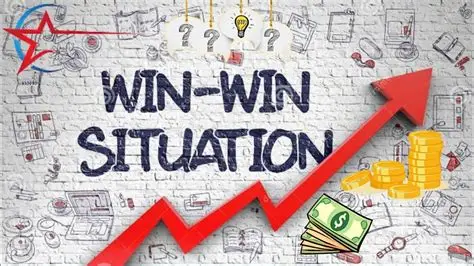
In the fast-paced, relationship-driven business landscape of the UAE, a “winner-takes-all” approach is a short-sighted strategy. The true art of the deal isn’t about claiming the biggest piece of the pie; it’s about structuring win-win agreements that make the entire pie larger for everyone involved. This philosophy is the bedrock of sustainable growth and the secret to building a formidable reputation in markets like Dubai and Abu Dhabi.
The UAE’s commercial environment is unique. It’s a global hub built on long-term relationships, trust (or thiqa), and mutual respect. A contract enforces a deal, but it’s the relationship that secures the next one.
As the Harvard Law School Program on Negotiation suggests, the most successful negotiators focus on enlarging the pie before dividing it. This is the core of structuring win-win agreements.
Moving from a zero-sum mindset to a collaborative one requires a structured approach. Here are the four essential pillars:
Before a single term is drafted, invest time in understanding your partner’s underlying interests. Their “position” might be a specific price, but their “interest” could be cash flow stability, market access, or technological transfer.
Ask: “What does success look like for you in this partnership one year from now?” The answer often reveals negotiable value beyond price.
Not all points have equal value to each party. The key is to identify and trade on these differences.
| Concession for Party A | Concession for Party B | Outcome |
|---|---|---|
| Lower initial unit price | Longer contract term & larger volume commitment | Party A gets security; Party B gets a better cost basis. |
| Flexible payment milestones | Enhanced branding & marketing support | Party A manages cash flow; Party B gains market visibility. |
| Exclusivity in a specific territory | Knowledge transfer & training | Party A secures a market; Party B builds local capacity. |
The UAE market evolves rapidly. A rigid agreement can break under the pressure of unforeseen events, like supply chain shifts or new regulations. Structuring win-win agreements means building adaptability into the contract.
A contract is a safety net, but the relationship is the high-wire act. The most sophisticated agreement will fail if the people behind it feel cheated.
How do you translate these pillars into a document? Follow this checklist to ensure your agreement is built for mutual success:
Consider a common scenario: A local UAE distributor and an international manufacturer are negotiating a distribution agreement.
The difference lies in the structure and the intent.
Structuring win-win agreements is not a one-time task; it’s the beginning of a strategic partnership. The signed document is not the end of the negotiation but the foundation for a collaborative future. In the UAE’s dynamic economy, the businesses that thrive are those that view every deal as an opportunity to build a bridge, not just a transaction.
By focusing on shared goals, creative value creation, and enduring relationships, you transform your contracts from static documents into dynamic engines for growth.
At Ghalib Consulting, we understand that the most complex and valuable agreements are those where both parties succeed. Our financial and strategic advisory services are designed to help you navigate negotiations, model different scenarios, and draft terms that protect your interests while fostering powerful, long-term partnerships in the UAE and beyond.
Contact us today for a confidential consultation. Let’s build your success, together.